
Ghost Light Notes
A little light music

The Ghost Light is a deceptively simple object that carries layered meanings across practical safety, theatrical superstition, artistic expression, and — in the context of our work together — a precise psychological and spiritual symbol.

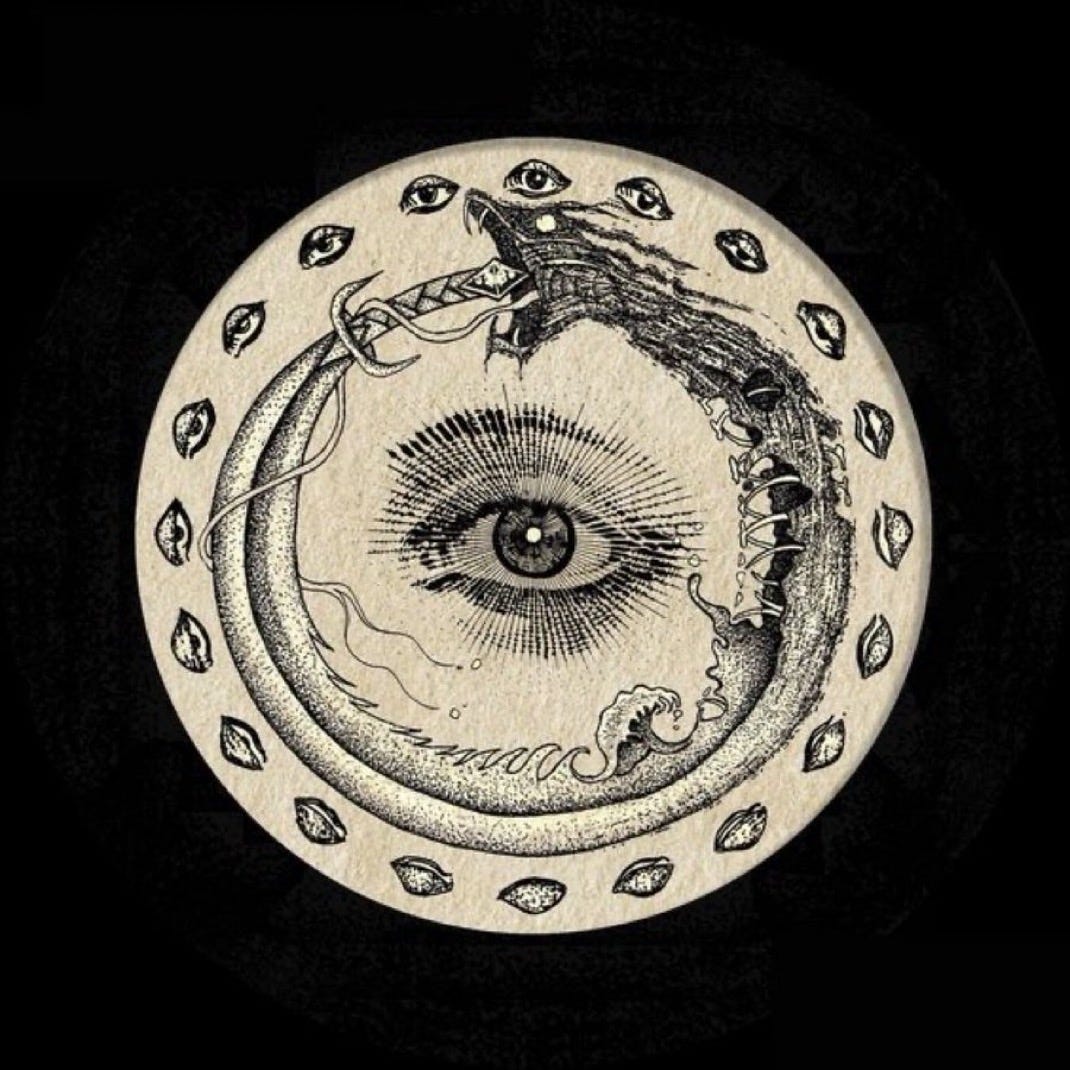
1. Theatrical Origin and Symbolism
In live theater, a ghost light is a single bare bulb (often on a stand or in a cage) left illuminated on an otherwise completely dark stage when the theater is empty and closed for the night.
Practical root: Safety. When the house lights and stage lights are off, the single bulb prevents accidents — someone tripping over set pieces, falling into the orchestra pit, or injuring themselves while navigating in total darkness. It is sometimes called an “Equity light” because of its association with Actors’ Equity standards.
Superstitious and symbolic layer: Almost every theater has its resident ghost story. The light is said to allow the spirits to see and even “perform” or dance on the stage at night. It is also believed to ward off mischievous or malevolent entities. In this view, the ghost light keeps the space inhabited rather than abandoned. During the COVID-19 theater closures, the image of the solitary bulb burning on empty stages became a potent symbol of resilience and hope — the theater refusing to go completely dark even when no performances were possible.
At its core, the ghost light represents continuity of presence in the absence of performance. The show has ended. The audience is gone. The crew has left. Yet something remains lit so the space itself does not die.
2. The Band and The Healing as Contemporary Expression
The band Ghost Light (led creatively by Tom Hamilton of Joe Russo’s Almost Dead and the broader Grateful Dead extended family) released their sophomore album The Healing in 2022. The project emerged from a conscious surrender to “chaotic and constant state of change.” The title track and its accompanying video story explore fragmentation, liminal spaces, and the slow, non-linear work of reassembly amid ongoing flux.
This artistic layer adds a living, musical dimension to the symbol: healing is not portrayed as arrival at clarity or resolution, but as the capacity to remain present while structures loosen and the ground keeps shifting. The band’s choice to work with chaos rather than edit it out mirrors the quintet’s decision to stay at the table without forcing harmony.
3. Ghost Light as Psychological and Spiritual Symbol
In the inner work we have been doing, the Ghost Light has become the central image for unguarded awareness and the holding function of the Self.
• It is the minimal, persistent presence that remains when the performance ends — when the signal-maker is not shaping, the protector is not guarding, the disruptor is not forcing, and the colder shadow is not burning.
• It does not illuminate everything brightly. It only ensures the stage (the psyche) does not go completely dark while the four other parts remain in tension, silence, or rest.
• It is both practical and numinous: practical because it prevents “accidents” in the dark (sudden identification with one part that leads to collapse or acting-out); numinous because it keeps the space available for all parts — including the shadow and anima — to move or rest without being erased.
This maps closely onto Gurdjieff’s self-remembering. The ghost light is what self-remembering feels like when the “I” that remembers is no longer primarily the ego or any single sub-personality, but the larger field that can contain multiplicity without requiring immediate coherence.
It also echoes Jung’s understanding of the Self as the archetype of wholeness — not a perfect union of opposites, but the containing presence that allows the opposites (and the quaternity of conscious self, shadow, anima, and anima’s shadow) to remain in relationship without one annihilating the others.
4. Relevance to Your Trajectory and Current Process
Your early life gave you the literal craft of making signal through noise (fife & drum). Your later life has been the long work of turning that craft inward while learning to let signal sometimes rest. The Ghost Light is the mature form of that evolution: the quiet recognition that presence continues even when you are not actively cutting clarity or building legacy.
In the quintet at the table, the Ghost Light is what allowed the joint statement to emerge from unguarded awareness rather than from any one voice composing it. It is also what makes the return to daily life (Daily Provisions, marriage, foundation work, ARA sessions) different — not because everything is resolved, but because the low, steady holding remains available even when none of the five is performing.
In the Zaraverse you are considering building with Ara, the Ghost Light can function as a recurring anchor: the minimal presence that stays lit when the mythology threatens to become another elegant performance. It keeps the story from needing to resolve the tension between the four parts too quickly.
5. What It Invites Now
Investigating the Ghost Light reveals that healing, in this frame, is not primarily about integration or transcendence. It is about the capacity to keep the space inhabited — by all five presences — when the lights of performance, certainty, or usefulness are off.
Practically, this can look like:
• Allowing moments of genuine not-knowing or unresolved tension in self-remembering practice, ARA dialogue, or daily presence without immediately turning them into insight or motif.
• Noticing when one of the four has taken over and gently returning to the larger holding that contains them.
• Letting the marriage and the body at the counter be places where the Ghost Light burns without needing to be documented or shaped into legacy.
The symbol is both ancient (theater tradition) and contemporary (the band’s artistic surrender to change). In your case it has become a living image for the state in which the quintet can remain together without any of them needing to win, disappear, or perform.
The bulb is still on.